
Bsi Sensor Vs Cmos
Bsi Sensor Vs Cmos - In other words, they measure light — it isn’t until a color filter array (cfa) is installed over the sensor. Web bsi sensors and frontside illuminated (fsi) sensors feature much of the same technology, just in a different order. Wir erklären, wie diese funktionieren und welche auswirkungen die sensortechnik hat. What's the difference between these two sensor types? Web bsi, or back side illuminated sensors are also known as ‘back illuminated' sensors. Web to understand what a bsi sensor is, we first have to understand how a traditional cmos sensor is made.
They are a revision of traditional sensor designs which increases the light gathering efficiency of the sensor to deliver higher sensitivity, less noise and better all round image quality. Web this chapter reviews modern manufacturing techniques for backside illuminated (bsi) cmos image sensors (ciss). Wir erklären, wie diese funktionieren und welche auswirkungen die sensortechnik hat. The back side illuminated sensor is a cmos sensor turned backwards. Stacked cmos chips push the speed envelope even further and keep your subject in perfect view.

Maximizing Sensitivity The Impact of BSICMOS and ImageProcessing in
Edited oct 3, 2021 at 10:00. Quantum efficiency refers to the ability of a sensor to convert incoming photons into electrical charges. Bsi sensors generally have higher quantum efficiency than fsi sensors. It is now possible to build sensors the right way. Web to understand what a bsi sensor is, we first have to understand how a traditional cmos sensor.

Why the iPhone 4 takes good lowlight photos BSI CMOS sensors
Web in the bsi approach, omnivision's traditional camerachip sensor is turned upside down so that it collects light through what was previously the backside of the sensor, the silicon substrate. Wir erklären, wie diese funktionieren und welche auswirkungen die sensortechnik hat. Web cmos sensors allow much faster operation since they can be read extremely quickly. What's the difference between these.

CCD vs CMOS vs BSI CMOS vs Stacked Sensor Tech Inspection
In other words, they measure light — it isn’t until a color filter array (cfa) is installed over the sensor. Edited oct 3, 2021 at 10:00. Quantum efficiency refers to the ability of a sensor to convert incoming photons into electrical charges. Bsi sensors are made by fabricating the sensor, then shaving off the silicon substrate upon which it was.

What is a BSI sensor? Backside illuminated sensors explained Digital
What's the difference between these two sensor types? Web to understand what a bsi sensor is, we first have to understand how a traditional cmos sensor is made. It is now possible to build sensors the right way. All cmos camera sensors found in contemporary dslrs, mirrorless cameras, and even smartphones feature a. Wir erklären, wie diese funktionieren und welche.
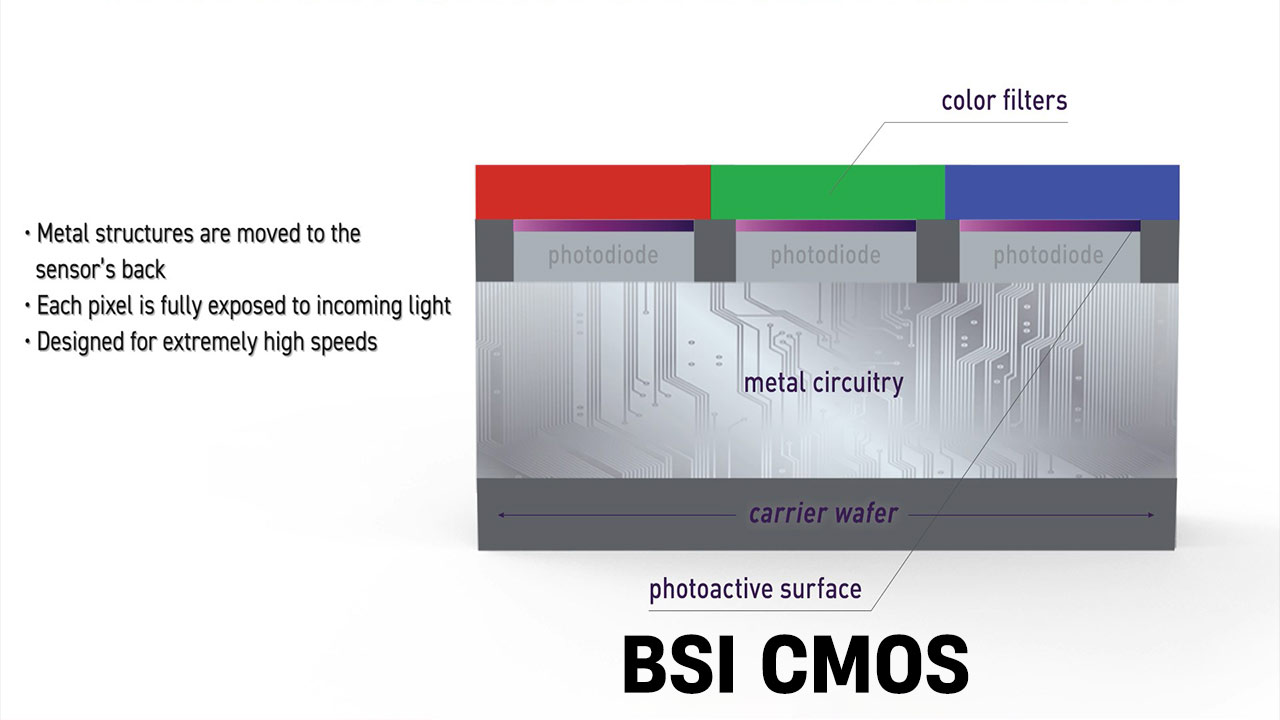
CCD vs CMOS vs BSI CMOS vs Stacked Sensor Tech Inspection
Web there are two variants of cmos: They are a revision of traditional sensor designs which increases the light gathering efficiency of the sensor to deliver higher sensitivity, less noise and better all round image quality. Web this chapter reviews modern manufacturing techniques for backside illuminated (bsi) cmos image sensors (ciss). Web to understand what a bsi sensor is, we.
Bsi Sensor Vs Cmos - Bsi sensors are made by fabricating the sensor, then shaving off the silicon substrate upon which it was built. Are there any disadvantages to using bsi compared with cmos? Edited oct 3, 2021 at 10:00. Till now, we have seen how all of these different sensors work, what makes them different, and the pros & cons of using them. Web to understand what a bsi sensor is, we first have to understand how a traditional cmos sensor is made. Web is there any real world advantage to using a bsi sensor for astro work?
This lets it capture more light compared to a standard design. This approach differs from conventional fsi image sensors, where the amount of light reaching the photosensitive area is limited by the multiple metal and. Web bsi sensors and frontside illuminated (fsi) sensors feature much of the same technology, just in a different order. It is now possible to build sensors the right way. In other words, they measure light — it isn’t until a color filter array (cfa) is installed over the sensor.
All Cmos Camera Sensors Found In Contemporary Dslrs, Mirrorless Cameras, And Even Smartphones Feature A.
Web in the bsi approach, omnivision's traditional camerachip sensor is turned upside down so that it collects light through what was previously the backside of the sensor, the silicon substrate. Web is there any real world advantage to using a bsi sensor for astro work? In other words, they measure light — it isn’t until a color filter array (cfa) is installed over the sensor. This approach differs from conventional fsi image sensors, where the amount of light reaching the photosensitive area is limited by the multiple metal and.
Are There Any Disadvantages To Using Bsi Compared With Cmos?
Dynamic range always falls with higher isos as more noise is introduced, as can be seen in the slope in the graph below. Sensors themselves are completely monochromatic. Till now, we have seen how all of these different sensors work, what makes them different, and the pros & cons of using them. Web this chapter reviews modern manufacturing techniques for backside illuminated (bsi) cmos image sensors (ciss).
Bsi Sensors Are Made By Fabricating The Sensor, Then Shaving Off The Silicon Substrate Upon Which It Was Built.
This lets it capture more light compared to a standard design. Bsi sensors generally have higher quantum efficiency than fsi sensors. It is now possible to build sensors the right way. Edited oct 3, 2021 at 10:00.
The Back Side Illuminated Sensor Is A Cmos Sensor Turned Backwards.
Quantum efficiency refers to the ability of a sensor to convert incoming photons into electrical charges. Web there are two variants of cmos: Wir erklären, wie diese funktionieren und welche auswirkungen die sensortechnik hat. Web bsi, or back side illuminated sensors are also known as ‘back illuminated' sensors.