
Lower Explosive Limit Sensor
Lower Explosive Limit Sensor - Web the minimum concentration of a flammable gas in air capable of igniting is called the lower explosive limit, or lel. Web for combustible gases, the lower explosive limit (lel) or lower flammable limit (lfl) is the minimum concentration of vapor in air below which the propagation of the flame does not occur when it contacts an ignition source, such as a. Web lel, short for “lower explosive limit“, is defined as the lowest concentration (by percentage) of a gas or vapor in air that is capable of producing a flash of fire in presence of an ignition source (arc, flame, heat, etc.). Web lower explosive limit (lel): Web chemdaq's lower explosive limit (lel) sensor helps protect against fire and explosion. Web introducing our calibration free digital snmp & modbus tcp sensor designed for monitoring 24x7 hydrogen h2 levels.
Web lower explosive limit (lel): Web for combustible gases, the lower explosive limit (lel) or lower flammable limit (lfl) is the minimum concentration of vapor in air below which the propagation of the flame does not occur when it contacts an ignition source, such as a. Below this level, the mixture is too lean to burn. Most but not all combustible gases have an upper explosive limit. Maximum concentration in air which will support combustion.

GFG Replacement Sensor, Detects Lower Explosive Limit, Methane, Sensor
The lower explosive limit is also. Most but not all combustible gases have an upper explosive limit. Web for combustible gases, the lower explosive limit (lel) or lower flammable limit (lfl) is the minimum concentration of vapor in air below which the propagation of the flame does not occur when it contacts an ignition source, such as a. Web meshguard.
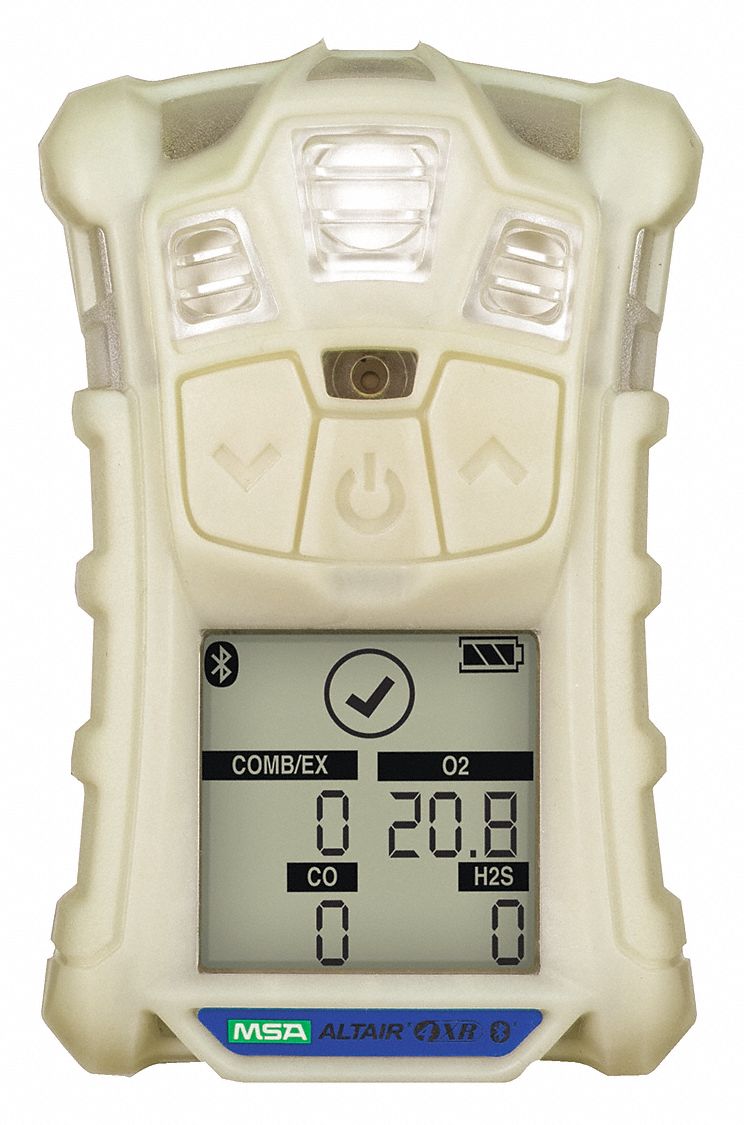
MultiGas Detector, Detects Lower Explosive Limit, Oxygen, Carbon
The lower explosive limit is also. Web meshguard lel detectors precisely monitor the lower explosive limit (%lel) of flammable gasses in your facilities. Web the minimum concentration of a particular combustible gas or vapor necessary to support its combustion in air is defined as the lower explosive limit (lel) for that gas. Web introducing our calibration free digital snmp &.
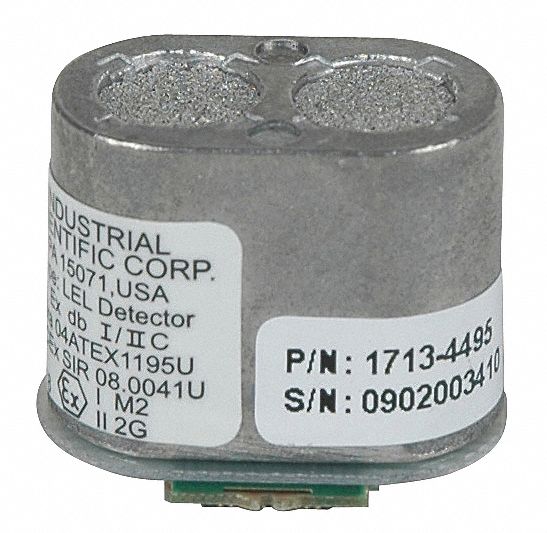
INDUSTRIAL SCIENTIFIC Replacement Sensor, Detects Lower Explosive Limit
Web lel stands for “lower explosive limit” and is the lowest concentration of a particular gas that has the potential to be flammable or combustible. However, for safety purposes, we use only the lel. Web the minimum concentration of a particular combustible gas or vapor necessary to support its combustion in air is defined as the lower explosive limit (lel).
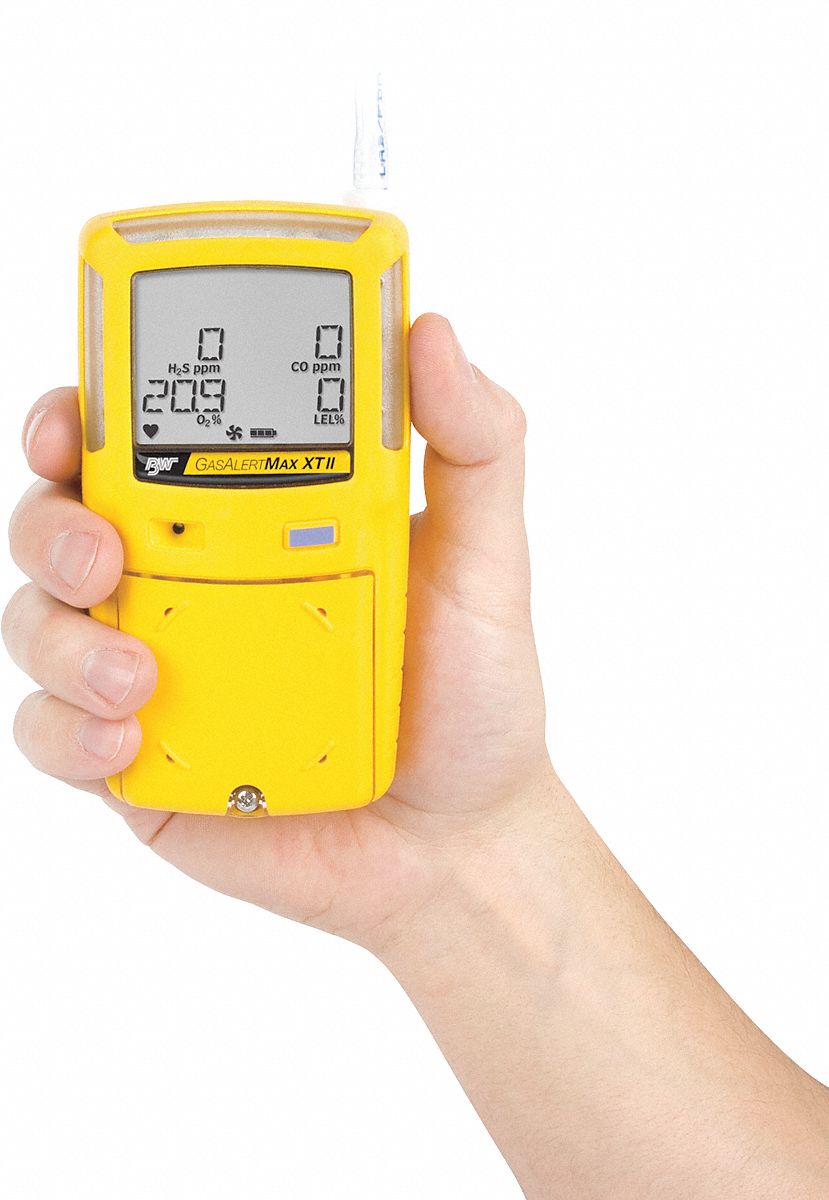
BW TECHNOLOGIES MultiGas Detector, 4 Gas, Detects Carbon Monoxide
This limit varies with the type of gas and with the oxygen concentration of the air in which the flammable gas is mixed. Web in any type of work environment where employees work in isolated areas, it can be difficult to accurately monitor the area for combustible gas levels that may result in fires. Web lel, short for “lower explosive.
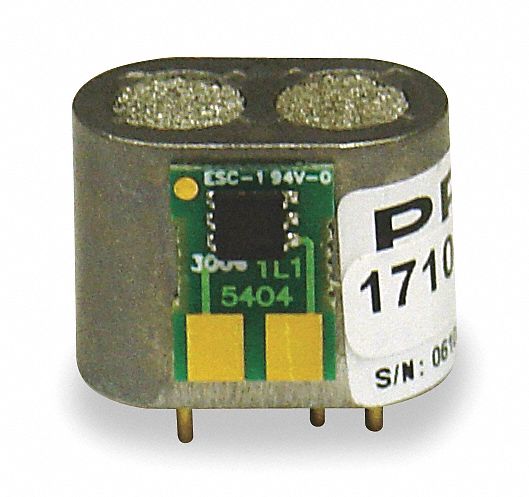
INDUSTRIAL SCIENTIFIC Replacement Sensor, Detects Methane, Lower
Below this level, the mixture is too lean to burn. If the concentration of the gas is below the lel value, the mix between the gas itself and the air is too weak to spark. In other words, it’s the minimum amount of gas that will catch fire or explode when an ignition source is present. Web for combustible gases,.
Lower Explosive Limit Sensor - Web the lower explosive limit (lel) is the minimum concentration of a specific combustible gas required to fire combustion when in contact with oxygen (air). Web uel is the upper explosive limit at which a gas concentration is too high it is not explosive. Web the minimum concentration of a particular combustible gas or vapor necessary to support its combustion in air is defined as the lower explosive limit (lel) for that gas. To do so effectively requires the use of specialized monitoring devices known as lower explosive limit detectors. Web the catalytic bead lower explosive limit (cb lel) sensor is widely used for combustible gas detection based on its low cost, ease of use, and the ability to detect a wide range of gases. Minimum concentration of a combustible gas or vapor in air which will ignite if a source of ignition is present.
If the concentration of the gas is below the lel value, the mix between the gas itself and the air is too weak to spark. Web lel stands for “lower explosive limit” and is the lowest concentration of a particular gas that has the potential to be flammable or combustible. In other words, it’s the minimum amount of gas that will catch fire or explode when an ignition source is present. Web lel, short for “lower explosive limit“, is defined as the lowest concentration (by percentage) of a gas or vapor in air that is capable of producing a flash of fire in presence of an ignition source (arc, flame, heat, etc.). To do so effectively requires the use of specialized monitoring devices known as lower explosive limit detectors.
Web Lower Explosive Limit (Lel):
Web introducing our calibration free digital snmp & modbus tcp sensor designed for monitoring 24x7 hydrogen h2 levels. Web the minimum concentration of a flammable gas in air capable of igniting is called the lower explosive limit, or lel. Most but not all combustible gases have an upper explosive limit. To do so effectively requires the use of specialized monitoring devices known as lower explosive limit detectors.
Web The Catalytic Bead Lower Explosive Limit (Cb Lel) Sensor Is Widely Used For Combustible Gas Detection Based On Its Low Cost, Ease Of Use, And The Ability To Detect A Wide Range Of Gases.
Below this level, the mixture is too lean to burn. Web lel (lower explosive limit) gas detectors are specialized devices designed to monitor the concentration of flammable gases or vapors in the air and provide warnings or alarms when the concentration reaches or exceeds a potentially dangerous level. One of the greatest risks with eto is that it is a combustible gas and can form explosive mixtures in the air at concentrations at or above 3% by volume. Web the lower explosive limit or lel of a vapor or gaseous substance is the lowest concentration of the gas in the air required to ignite/burn and explode in the presence of an ignition source.
Web Lel, Short For Lower Explosive Limit, Is Defined As The Lowest Concentration (By Percentage) Of A Gas Or Vapor In The Air That Is Capable Of Producing A Flash Of Fire In The Presence Of An Ignition Source (Arc, Flame, Heat).
If the concentration of the gas is below the lel value, the mix between the gas itself and the air is too weak to spark. Maximum concentration in air which will support combustion. Web chemdaq's lower explosive limit (lel) sensor helps protect against fire and explosion. For up to 100% lel (lower explosive limit) or 40,000ppm h2.
However, For Safety Purposes, We Use Only The Lel.
Web uel is the upper explosive limit at which a gas concentration is too high it is not explosive. In other words, it’s the minimum amount of gas that will catch fire or explode when an ignition source is present. Web the lower explosive limit (lel) is the minimum concentration of a specific combustible gas required to fire combustion when in contact with oxygen (air). This limit varies with the type of gas and with the oxygen concentration of the air in which the flammable gas is mixed.